


How to ask photographers to leave your children out
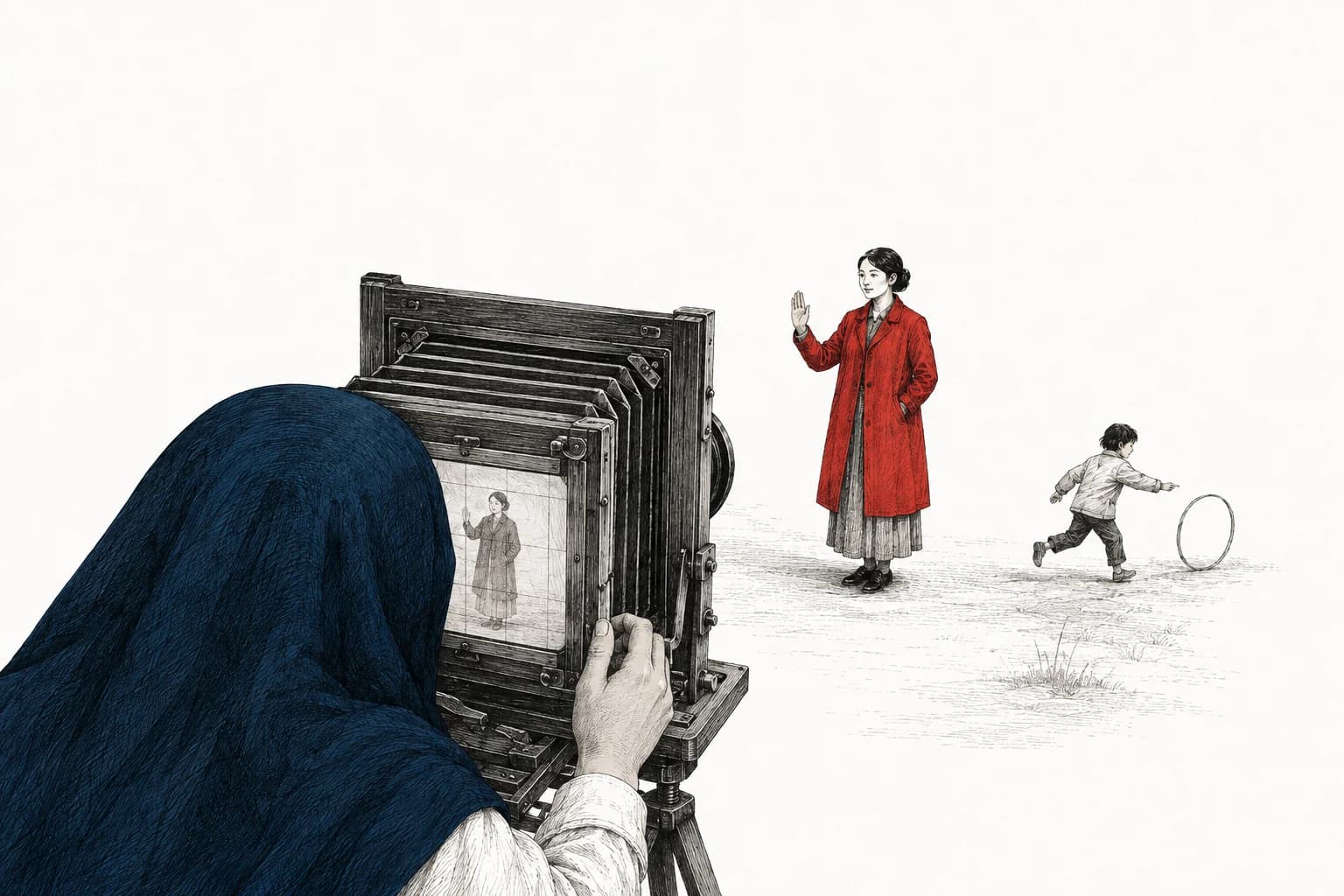
When we're in a public place and someone is taking photographs around our children, we go over and ask them to leave the kids out.
hey, please don't take pictures of our kids
We don't want their photographs ending up somewhere we didn't choose.
With a camera in front of you, the first job is to make clear which children you mean and what you're asking the photographer to change. You can explain the rest if they need it.
Say what you want them to do
If your child is the subject of the photograph, ask the person to stop. If they're in the background of someone else's family picture, point out where they are so the photographer can change the frame.
Could you keep our child out of the frame, please? We're keeping their photos private.
If moving a little would solve it, you can offer that. You don't have to agree to a photograph first and hope it never gets posted.
Be precise about what would be okay. Perhaps you're happy with a group photo once your child is cropped out. Perhaps you don't want them photographed at all. Say which one you mean, because “we don't post our kids” doesn't tell another person whether they can take the picture for themselves.
Taking the photo and posting it are separate decisions
“It's only for the group” needs another question: which group?
A few parents in a message thread, a club's social account and a gallery anyone can open with a link are very different audiences. Ask where the picture will go before agreeing to it.
If the photo already exists, ask for the change you want:
Please don't post that picture with our child visible. Could you delete it or use another shot?
Add an editing option only if you're comfortable with it: “Cropping our child out before sharing would be fine.” A photographer may otherwise assume a blur is enough when your request was to leave the child out altogether.
For an official photographer, find out who selects and uploads the pictures. That might be a different person who receives the whole folder later, without knowing about your conversation. Ask the photographer to pass the request on, and get the publisher's contact if you need to follow up.
If you agree to an edited replacement, ask what happens to the original. A crop on the public page can leave the unedited file in the folder delivered to the organizer. Tell both people whether you want that original deleted, kept only for a stated purpose, or excluded from future use. If it has already been delivered, ask the photographer to pass the request to that recipient too.
Australia's eSafety Commissioner recommends agreeing on permission, sharing, storage and how long images are kept. Those questions help an organizer explain what “event photography” will actually involve. eSafety's photo-sharing guidance
For events, ask before you arrive
Before a sports day or workshop, send the request to the organizer. There's time to brief the photographer and arrange the group shots then; at the event, people may already be calling the children into position.
Hi, we'll be at [event]. Please keep our child out of photographs and videos, including anything posted online afterward. Could you confirm how the photographer and the person publishing the gallery will receive that request? We'd like our child to take part in the activities as usual. Who should we speak to when we arrive, and where will the event pictures be published?
If you only object to publication, change the first sentence to say that. Ask how the organizer will distinguish the children with different preferences without relying on each child to explain the rule whenever a camera appears.
| Agree before the event | Check afterward |
|---|---|
| Whether your request covers taking pictures, publishing them or both. | Whether the published gallery includes your child. |
| How the photographer will identify the children to leave out. | Any extra copies on the organizer's website or social accounts. |
| How your child can take part in the activity while photos are arranged. | That a removal or replacement request reaches the person who controls each upload. |
For recurring school or club photographs, put the preference in writing and ask how it carries over to visiting photographers and future events. The school photo-consent guide covers forms, parent galleries and pictures already published.
Be clear about the limits of the request
You can ask someone to leave your child out of a photograph without telling them they're breaking the law. Whether you can require them to stop is a separate question, and there isn't one answer for every public place in every country.
London's Metropolitan Police, for example, says the public and media generally don't need a permit to photograph or film in public places. Its photography guidance concerns that setting. It doesn't settle every question about harassment, commercial use or publishing a child's picture elsewhere.
If you need a legal remedy, look for advice covering the place and conduct involved. For an event you attend, the organizer can also explain its photography rules and help enforce the arrangement it agreed with you.
If the answer is no
At an event, take the request to the organizer or responsible member of staff: explain which photographer you spoke to, what you asked and what happened. They may be able to speak to the photographer, change the setup or stop the picture reaching the gallery.
In a public place, move away if you can. Grabbing a camera or demanding to search somebody's phone won't establish what copies exist and can make the encounter worse.
If you find an upload later, save the page address and ask the person controlling it to remove your child's image. Include enough detail to identify the picture, especially in an album. If you've agreed to a replacement, check the replacement itself after it's posted; don't assume the original conversation reached the editor.
The removal guide covers uploader requests, platform reports and what to do when a form or link fails. Work from the copy you've found rather than trying to establish, in the same conversation, whether every photograph has disappeared.
Remember this when you're the one taking photos
A movement video can show more than the parent and child doing the movement. Before publishing, look at the people in the background as well as the subject. This matters for public work such as Baby Acrobatics and Instagram, where the audience goes well beyond the families who happened to be there.
Ask before posting somebody else's child. If they agree to an edit, find out what they want removed, then cover or crop that area and inspect the exported file. If they don't want the child included at all, choose another shot.
With relatives, you may need the same conversation before a birthday or visit. The family sharing scripts give you wording for those moments. Saying it while people can still choose a different photograph saves having to locate the publisher afterward.
If the camera is built into glasses, ask about recording and camera-based AI as well as posting. The smart-glasses guide explains why a picture can go to an AI service without appearing on a social feed.
Sources reviewed 5 September 2026.