


How to ask family not to post your child's photos
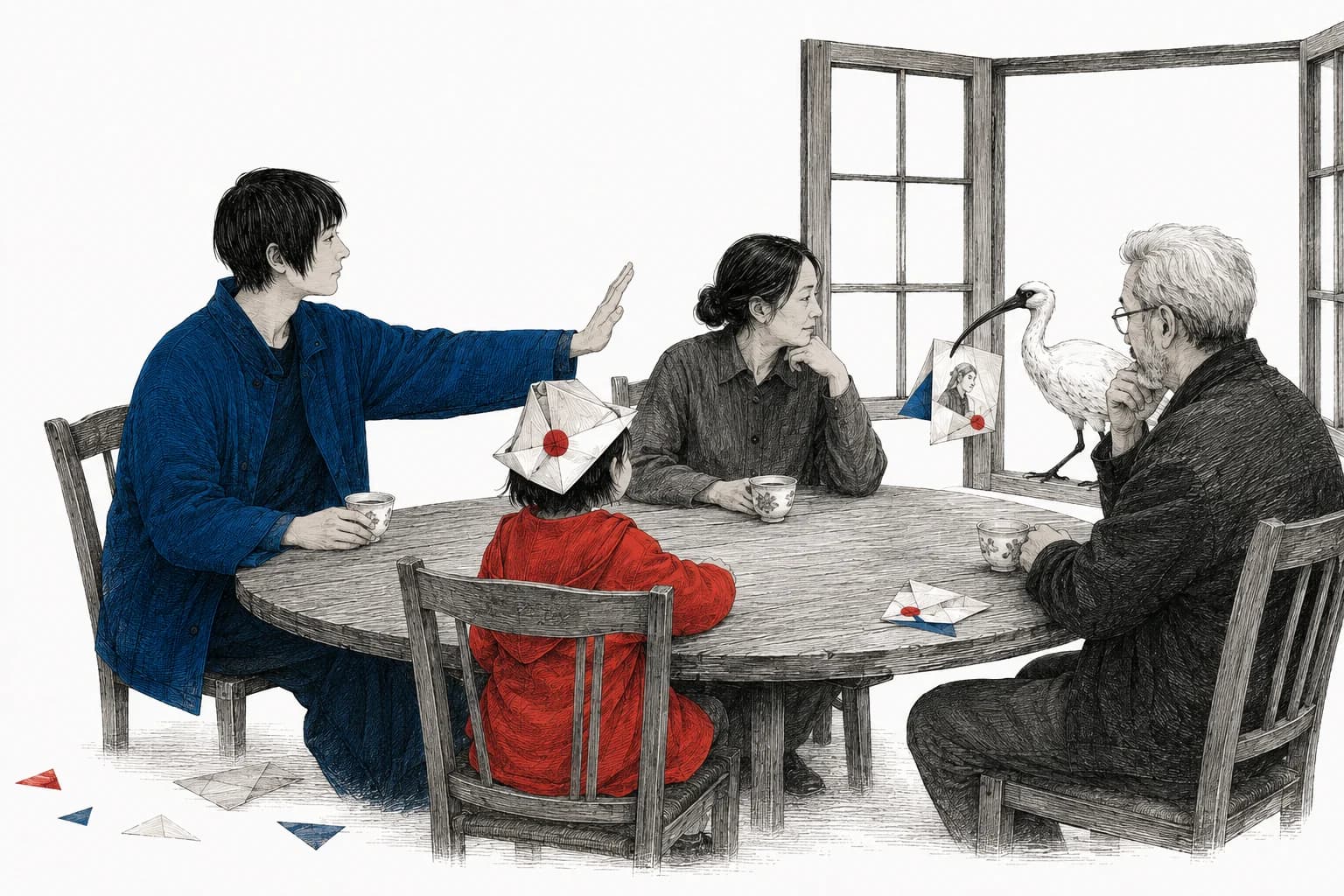
Someone is proud of your child. They post a photo, write something lovely underneath it, and expect you to be pleased. Then you have to ask them to take it down.
The picture may be the first time they discover you have a rule. You thought sending it privately made that obvious; they thought you were giving them something to share. Start by clearing up that difference, while asking for the actual post to come down.
“Thanks for wanting to celebrate with us. Could you take this photo off Facebook, please? We're keeping the kids' pictures private.”
If they ask why, tell them your reason. You can have that conversation without letting the request disappear into a discussion about whether the internet is dangerous enough to justify it.
Decide what you're actually asking for
“Please be careful with photos” leaves the decision with whoever receives the photo. Someone might be careful by covering a face, another by using a private account, while you meant that neither version should be posted.
Choose the rule you want them to follow. Does it cover all photos, or only ones with recognizable faces? Are names and locations also private? Can they send a picture to someone else? A relative can't infer all of that from a sticker over a face.
For a family keeping children's pictures off social media, the request could be:
We're keeping the kids' photos and videos off social media, including Stories and private groups. We're happy to send pictures directly to you. Please keep those between us and don't forward them. If there's something you'd like to share, ask us first.
If you do share edited pictures publicly, make that distinction instead:
Please ask us before posting photos or videos of the kids. If we send you an edited version to share, use that version and leave their names and location out. The originals we send privately are just for you.
Only include the details that fit your family. The recipient should be able to tell, from the message, what to do with the next photo they receive.
Give the proud grandparent another way to share the moment
A request to stop posting can sound like a request to stop being involved, especially to someone who mostly keeps up with the family through Facebook.
Make the next contact concrete. “Send the party photos to us,” or “Let's show you the video when we call on Sunday” gives them somewhere to put that enthusiasm. A printed picture may work for someone who mainly wants to have the child nearby and show a visitor.
Choose an alternative you actually want. If the concern is that someone keeps forwarding pictures, sending them more originals in a different app won't resolve it. Work out who can receive the files and what can be passed on; the private photo-sharing guide explains the settings that go with that agreement.
A few messages for the awkward moments
Some requests need to arrive before the camera comes out. Others need the link to a picture that's already online.
| Situation | Something you can say |
|---|---|
| Before a birth announcement | “Please let us announce the birth ourselves. Don't post photos, their full name or birth details.” |
| Before a birthday party | “Photos for your own memories are fine. Please keep our children off social media, and ask the other parents before sharing theirs.” |
| A picture is already online | “Could you take this one down, please? Here's the link. We're keeping the kids' photos off social media. Let me know when it's removed.” |
| The face is covered but the caption identifies the child | “Thanks for covering the face. Please remove their name and location from the caption too.” |
Don't offer permission in the script that you don't want to give. If you want the whole post removed, ask for that instead of an edited caption. If pictures for private memories aren't okay either, change the party message before sending it.
For an existing post, include its link. “The photo from Saturday” may mean several pictures, especially if someone uploaded an album and a Story. Name each copy you want removed, then open those links after they say it's done. An agreement about future posts doesn't remove this one.
Ask whether they also sent the file to anyone directly. If they did, ask them to pass the removal request to those people and tell you which replies are still outstanding. That reaches the cousin who saved the picture from a message before the Facebook post existed. You can follow up on those known copies without asking the whole family to circulate the image again to identify it.
“But my account is private”
They may have deliberately chosen a smaller audience. Acknowledge that, then explain whether private accounts are part of your rule:
I understand only your friends can see it. Our rule includes private accounts. Please send the photos to us instead.
If you're willing to agree on a particular group, look at who is actually in it. “Family” might include people you don't know, and any recipient can keep or forward a picture. You can choose to accept that for a small group without agreeing to every account someone calls private.
UNICEF's sharenting advice brings together the reasons relatives may not have considered: the audience, identifying details and how the child might feel about the post later. Share it if someone wants to understand the request. You still need to tell them which part applies to the picture in front of you.
If you've asked and it keeps happening
Ask for the new post to come down, with its link, then change the arrangement that keeps producing the same problem.
If it happens with originals you send, stop sending those originals. You could offer only a version you've agreed can be shared, or show pictures during a call. If the person is taking their own photos during visits, the request needs to cover that too; changing the family album won't reach their camera roll.
Be specific about what you're going to do:
We've asked for the photos to stay private, and they've been posted again. Please remove these posts. We won't send more photos while this keeps happening.
Choose a follow-up you can carry out. Repeating a consequence you never intend to use gives neither of you a workable next step.
If the uploader refuses, use the removal guide to find the relevant reporting route. Platforms have their own rules, and legal options depend on where you live and what was posted. A relative breaking your agreement doesn't automatically mean a platform must delete the picture.
Make the rule work for your child too
A child can dislike a post for reasons that have nothing to do with strangers finding their face. The story in the caption might embarrass them. They may not want friends seeing an old video. Covering their face won't answer that objection.
As they become able to express a preference, show them what you're planning to share, including the words. Ask about that particular post, and be prepared to choose another picture or leave it private. If they want old posts removed, start with the one they've shown you and help them work through the rest. They shouldn't have to negotiate with every relative themselves.
You can change your rule even if you used to post differently. Tell relatives what changes from now on and whether there are older posts you want taken down too. That gives them something to act on before the next birthday album appears.
Sources reviewed 5 September 2026.